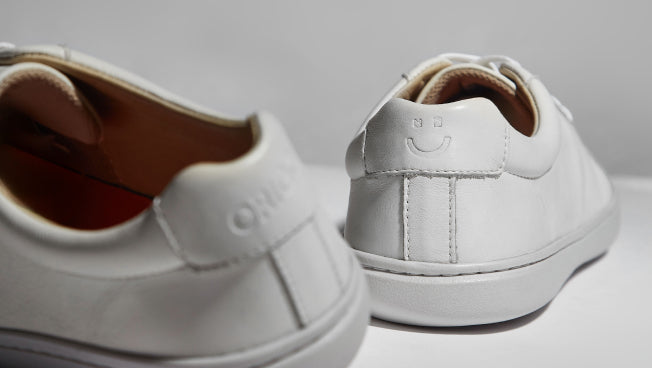

Most people have spent practically their whole lives wearing supportive footwear. However, our feet weren’t naturally designed to move with thick cushioning and a rigid structure; they have adapted accordingly. That’s why, when people transition to barefoot shoes, it can take time to get used to the feeling.
Barefoot-style footwear provides fewer structural supports, increasing the amount of muscular stabilization required during walking. A gradual transition gives the muscles and connective tissues in your feet, ankles, and calves time to adjust to the change. Going slowly reduces discomfort as your foot muscles strengthen and gradually adapt to your movements.
Once you’ve grown used to barefoot shoes, you’ll find that your patience throughout the transition has been well worth it.
Why We Recommend a Slow Transition
Switching to barefoot shoes will change how your feet interact with the ground. Conventional shoes often include heavy cushioning and built-in support. This has reduced the amount of stabilization required from the foot during walking.
When you transition to barefoot shoes, your feet begin doing more of that work again. Wearing minimalist footwear can reactivate foot and lower-leg muscles during walking. Because of this shift, your body may need time to adjust.
Moving too quickly can lead to temporary soreness in areas such as:
-
Calves
-
Arches
-
Achilles tendon
This soreness is typically part of the adaptation process. Taking things slowly allows your feet to adjust gradually and settle into more natural movement patterns.
Guide To Transitioning to Barefoot Shoes
We recommend a gradual approach toward wearing barefoot shoes as your daily footwear of choice. This process reintroduces your foot and leg muscles to natural movements. Taking things slowly and gradually helps reduce the chance of excessive soreness.
Start With Short Wear Times
Most people start with short daily sessions and increase wear time gradually over several weeks. Wear your barefoot shoes for about 30 to 60 minutes per day. This introduces your feet to the different loading patterns of minimalist footwear without overwhelming them.
During this time, we recommend using your shoes during low-impact activities, including:
-
Short walks
-
Running quick errands
-
Standing tasks
-
Casual daily movement
Avoid wearing them all day right away. Increasing exposure slowly allows your feet to adapt more comfortably.
Gradually Increase Duration
As your feet become more comfortable, gradually increase the time you wear barefoot shoes. Your transition timeline might look like this:
-
Week 1: Short walks or light daily wear for up to 60 minutes
-
Week 2 to 3: Longer walks or half-day wear
-
Week 4 and beyond: Regular daily wear for most activities
Adaptation speed varies depending on factors such as your activity level, previous footwear habits, and individual tolerance. Rather than rushing the process, focus on allowing your feet to adjust gradually.
Walk Before You Run
If you plan to use barefoot shoes for exercise, start with brisk walking. Once you’ve grown used to the sensation of your shoes, you can start jogging and then finally running.
Walking generally places lower forces on the calves and Achilles tendon than running, making it a sensible starting point during the transition. Running places higher loads on these tissues and may lead to soreness if introduced too quickly.
Spend a few weeks walking comfortably before adding more demanding activities.
Pay Attention to Your Body
Learning how to transition to barefoot shoes also involves paying attention to how your body responds. Some people notice mild soreness early in the transition as muscles and connective tissues adjust to increased workload:
-
Light calf tightness
-
Arch fatigue after longer walks
-
Slight soreness in the Achilles tendon
These sensations eventually subside as your body adapts to the new loading patterns. However, persistent pain or sharp discomfort is a sign that you may need to slow down. Taking rest days or reducing wear time can give your body time to recover.
Support Foot Strength During the Transition
A few simple habits can make the transition smoother:
-
Walking barefoot at home
-
Gentle toe spreads
-
Light calf stretching
These routines help maintain mobility and flexibility as your feet adapt, and encourage the muscles in your feet to become more active over time.
Following these steps gives your body time to adjust gradually, allowing foot strength and comfort to build as your feet adapt to the change in footwear. Understanding why a slower transition can help makes it easier to stay patient during the process.
Common Mistakes To Avoid
People transitioning to barefoot shoes often encounter similar challenges during the early stages. Being aware of these pitfalls and other barefoot shoes myths can make the process much smoother.
-
Switching Too Quickly: Wearing barefoot shoes all day can overwhelm muscles that aren’t used to the increased workload.
-
Running Too Soon: Walking first allows the feet and calves to adapt before introducing higher-impact activity.
-
Ignoring Soreness: Mild soreness is common, but ongoing discomfort usually means you should reduce wear time.
-
Transitioning During Intense Training: Adapting tends to be easier during periods of lighter activity rather than peak training cycles.
-
Expecting Instant Results: Foot strength and comfort develop gradually.
How Long Does the Transition Take?
The timeline for transitioning to barefoot shoes varies from person to person. Previous footwear habits, activity levels, and overall foot strength can all influence how quickly your body adapts.
For most people, it takes:
-
2 to 4 weeks for casual daily wear
-
6 to 12 weeks for running or higher-impact activities
Ultimately, it’s important to listen to your body and adjust at a pace that reduces unnecessary discomfort.
What You May Notice as Your Feet Adapt
Although the transition requires patience, some people report gradual changes as their feet adjust to the movement demands of minimalist footwear:
-
Improved balance and stability
-
More natural walking patterns
-
Greater awareness of ground contact
-
Reduced foot fatigue during longer walks
Over time, some wearers find that minimalist footwear becomes more comfortable than traditional shoes. Along the way, you may also start to debunk a few common myths and misconceptions and experience a transition that feels more manageable.
Frequently Asked Questions
Q: Why do my feet feel sore during the transition?
A: Mild soreness may occur as muscles and connective tissues adjust to loading patterns. This is the result of traditional shoes changing the way our feet move without restrictions.
Q: Can I wear barefoot shoes every day?
A: Yes, although it’s best to increase wear time gradually over a transition period. Once your feet adapt, many people wear them daily.
Q: Should I alternate between barefoot shoes and regular shoes?
A: Rotating footwear early in the transition can give your muscles time to recover while they adapt to the new workload.
Q: Do I need special exercises when transitioning?
A: Exercises can help, but they are not always necessary. Consistent walking and everyday movement are often enough to help your feet adapt naturally.
Transitioning to Barefoot Shoes Takes Time, and That’s Okay
Learning how to transition to barefoot shoes is largely about patience and consistency. Starting with shorter wear times, gradually increasing activity, and paying attention to your body can make the process smoother. As your feet adapt, you’ll find that natural movement feels more comfortable.
If you’re ready to take the next step, Origo Shoes offers thoughtfully designed minimalist footwear that supports natural movement and everyday comfort. Whether you're looking for versatile styles or casual barefoot shoes, you can find options designed to make the transition feel natural.
You can also explore how minimalist footwear connects with barefoot sustainability and long-term footwear choices. With the right approach, transitioning can become a rewarding step toward stronger, more capable feet.