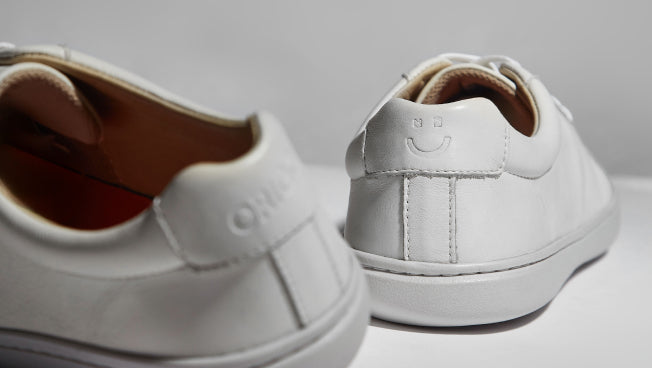

Barefoot shoes tend to draw strong opinions, largely shaped by traditional footwear norms that influence what people expect shoes to look and feel like. Many of the myths also stem from poor transitions that lead to discomfort being blamed on the shoes themselves, as well as oversimplified advice circulating online.
As a result, the same questions and warnings show up repeatedly in search results and comment sections. These assumptions are common in everyday discussions, including recent conversations on Instagram, and they’re worth addressing with a bit more context.
Myth 1: “Barefoot shoes are bad for your feet.”
Many searches that ask whether barefoot shoes are bad for your feet start with an assumption rather than a question. The concern usually comes from short-term discomfort: soreness, fatigue, or irritation that shows up soon after a switch in footwear. Those experiences are real, but they’re often treated as proof that the shoes themselves are harmful.
What’s usually missing in the discussion is the context. At times, it is never mentioned how quickly the switch happened. Did daily walking or standing increase at the same time? Were multiple changes made at once? When those details are left out, early adaptation discomfort is easy to mistake for damage.
Why This Myth Exists
Most people have been taught to equate cushioning and structured support with safety. Because of this, people tend to think that shoes that look thin or flexible tend to get frowned upon. The discomfort during a transition feels like confirmation that something is wrong.
In practice, the issue is rarely the shoe alone. It’s more often how suddenly the footwear change was introduced and how much load the feet were asked to handle right away.
What’s Actually True
Shoes aren’t harmful by default. Issues usually arise from how they’re used, not from the footwear itself. Many people spend years in highly cushioned shoes, so their feet simply aren’t used to doing much on their own. When that changes all at once, especially when switching straight into minimal footwear or doing other activities like yoga or the gym. The tissues involved can end up doing more work than they’re ready for.
When This Myth Can Be True
For people dealing with existing injuries or ongoing foot pain, barefoot shoes may take more care to work into the rotation. Jumping straight into full-time wear can feel overwhelming, especially if the feet haven’t had much chance to adapt. When discomfort shows up in these situations, it usually points to too much demand too soon.
Practical Takeaway
Transitioning to wearing barefoot shoes without adjustment can lead to discomfort. Give your feet time to acclimate to the new footwear, as you do with other shoes.
Myth 2: “Barefoot shoes are either good or bad for everyone.”
Next in our list of barefoot shoes myths is that these types of shoes can either be good or bad for everyone. Online discussions often ignore differences in activity, environment, foot conditions like bunions, and prior exposure, turning individual experiences into universal claims and oversimplifying how shoes are actually used.
Why This Myth Exists
Are barefoot shoes good or bad for you? Binary thinking is common in footwear or any type of discussion online. Remember that shoes are tools to help you get on with your day. Social media tends to amplify extreme positions, making moderate perspectives less visible.
What’s Actually True
Footwear works best when it matches the situation. Like any tool, shoes are designed for specific purposes, like work or improving foot strength. How you use them can affect how well they work in practice.
When This Myth Can Be True
If you expect immediate benefits when you put on a pair of barefoot shoes, you might be disappointed. Some people may feel relief, but adaptation timelines vary. Personal experience doesn’t invalidate or confirm the shoe’s usefulness for others.
Practical Takeaway
Barefoot shoes aren’t universally good or bad. Whether they’re appropriate depends on how, when, and why they’re used.
These are some of the most common assumptions we see in comments and DMs that we’ve recently addressed on Instagram. The discussion doesn’t stop there. Several other myths tend to surface as people look beyond the basics.
Myth 3: “You should never wear socks with barefoot shoes.”
Are you supposed to wear socks with barefoot shoes? Here’s one of the more common barefoot shoes myths. What’s rarely discussed is how socks actually affect comfort, skin health, and temperature regulation. These factors matter far more in daily wear than whether socks align with a minimalist look.
Why This Myth Exists
This idea mostly comes from how barefoot shoes are presented. Sockless wear is often shown as the default because it fits minimalist branding, even though there’s never been a functional rule against wearing socks.
What’s Actually True
Socks can reduce friction, help with temperature control, and improve hygiene. None of that interferes with how barefoot shoes work. For many people, especially during longer days or early transitions, socks simply make wearing more comfortable.
When This Myth Can Be True
Some socks can cause problems. Thick seams, narrow toe boxes, or heavy cushioning can affect fit and feel. In those cases, the issue isn’t the socks – it’s the type of sock being worn.
Practical Takeaway
Wearing socks with barefoot shoes is fine. Choosing socks that fit well matters more than going sockless.
Myth 4: “Barefoot shoes cause injuries.”
So, are barefoot shoes bad for your feet? Some people claim that wearing barefoot shoes caused them injuries or pain. These accounts often don’t tell the complete story.
Why This Myth Exists
Injuries that happen during transitions are often attributed to one’s shoes rather than the change in load. Many people switch footwear and activity levels at the same time, making it difficult to isolate the real cause.
What’s Actually True
Injuries usually stem from doing too much, too soon. Rapid increases in walking volume, surface exposure, or activity intensity can stress tissues regardless of footwear type. Correlation doesn’t equal causation.
When This Myth Can Be True
If someone abruptly replaces all their shoes while maintaining the same or increasing their level of activity, they actually increase their risk of injury, regardless of what type of shoes they wear.
Practical Takeaway
Barefoot or other types of shoes don’t cause injuries on their own. Sudden changes in load and activity are the more common issues.
Myth 5: “Barefoot shoes don’t work on concrete or in cities.”
Many people assume city surfaces require heavy cushioning. They overlook the fact that most urban movement involves walking and standing, which do not involve constant impact on your feet.
Why This Myth Exists
Many people assume that since concrete is a hard surface, you need a lot of cushioning for your feet. Cushioning is often thought of as the only form of protection.
What’s Actually True
Barefoot shoes provide sensory input that tells you how much to apply when walking or standing on concrete.
When This Myth Can Be True
We understand that getting proper cushioning still has a place for long-duration standing, high-load work environments, or specific recovery needs. In those contexts, rotating footwear can make sense.
Practical Takeaway
Barefoot shoes can work in cities, but we recommend pairing them with other footwear that best suits your day-to-day tasks.
Myth 6: “Barefoot shoes mean zero protection.”
Some people assume that thin soles can’t provide any kind of protection compared to traditional shoes. What’s often missing from that assumption is an understanding of how protection can be achieved through materials, construction, and controlled flexibility. Protection for the feet is a combination of design and material options that work together.
Why This Myth Exists
Protection is commonly equated with thickness. Shoes that look minimal are assumed to offer no barrier between the foot and the ground.
What’s Actually True
Protection comes from material choice, sole design, and foot awareness, not just thickness. Barefoot shoes are designed to protect against everyday hazards while maintaining flexibility and ground feel.
When This Myth Can Be True
Here’s an important point: barefoot shoes are not a replacement for safety footwear.
Practical Takeaway
Barefoot shoes offer protection for everyday use. But if your activity requires something more firm or heavy-duty shielding, then wear a different pair of shoes.
Myth 7: “Once you switch, you must wear barefoot shoes all the time.”
This myth is common online, where wearing barefoot shoes every day is treated as a requirement. However, it’s quite evident that people wear a different pair of shoes for running or playing sports and another for attending a formal event.
Why This Myth Exists
Some narratives frame barefoot shoes as an all-or-nothing commitment. Mixing footwear styles is sometimes portrayed as counterproductive or inconsistent.
What’s Actually True
Footwear rotation is normal and healthy. Different situations place different demands on the body, and choosing shoes accordingly doesn’t negate adaptation or progress. Supportive habits outside of footwear, such as spending a few minutes a day using toe spacers or doing simple foot mobility work, can also help maintain comfort and awareness when alternating between different shoe types.
When This Myth Can Be True
This idea can take hold when someone expects steady results but wears barefoot shoes only occasionally. If use is very sporadic, it can be harder to tell what’s working and what isn’t.
Practical Takeaway
You don’t have to wear barefoot shoes all the time. Using different shoes for different situations is normal and doesn’t cancel out adaptation.
Clearing Up Barefoot Shoes Myths Without Absolutes
Most barefoot shoes myths persist because they simplify complex interactions between footwear, activity, and individual tolerance. When those interactions are misunderstood, the shoes take the blame. Understanding when these claims apply – and when they don’t – creates a clearer, more realistic picture.
Barefoot shoes aren’t a requirement, a cure, or a rejection of other footwear. They’re one option among many. The more clearly we separate myths from context, the easier it becomes to decide what actually works for you.