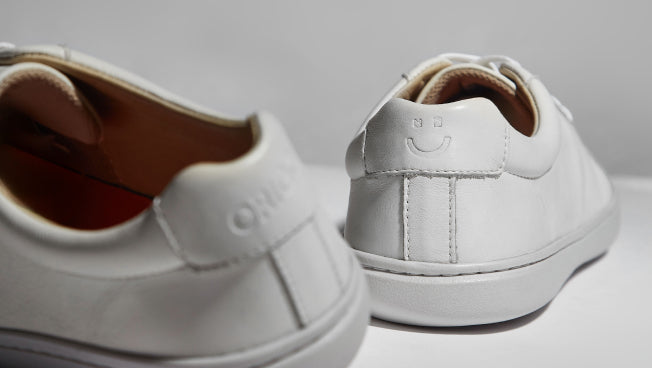

A solid workout starts with solid footing. The better your feet can feel and control the ground, the more efficiently you can move.
While in the gym or yoga studio, your footwear can impact your movement and how force is absorbed and controlled. That’s why barefoot shoes for gym sessions have become functional gear for those who want to improve their performance.
Barefoot gym shoes offer several advantages. They encourage natural foot engagement, helping you feel grounded when you’re bracing for a heavy squat or holding a controlled balance pose. When your feet stay active, the rest of the body responds with more stable performance.
Why Foot Strength Matters in Gym & Yoga
Every move can be influenced by your foot strength. When your feet are active and responsive, your movement becomes more controlled and consistent during gym training and yoga practice through:
-
Force Transfer in Lifts: Power moves upward from the ground in loaded lifts. Engaged feet help keep that force efficient. When your feet are more stable, you can maintain better tension and positioning throughout the entire lift.
-
Improved Balance and Stability: Strong feet create a stable base during single-leg work and dynamic movements. This can reduce unnecessary adjustments and keep you focused during your workout.
-
Control in Yoga Poses: Controlled foot engagement supports smoother transitions in standing and balance-focused poses. This can help you settle into positions with less wasted effort.
Barefoot Shoes for Gym Workouts: What They Actually Help With
Barefoot shoes help reinforce proper mechanics across different training styles. Whether you’re lifting heavy or training frequently, the right setup helps your feet stay engaged.
Strength Training
Barefoot shoes help your feet create a direct connection with the floor. Unlike traditional shoes that unnaturally shape your feet’s base, the low-profile feel of barefoot shoes helps you stay grounded.
This is especially important when handling increased loads. Without the excess cushioning affecting feedback, you can find it easier to brace and control your movement. This is why many seasoned lifters rely on barefoot gym shoes during lower-body sessions.
Functional & HIIT Training
Functional and HIIT workouts require agile movement, and the proper footwear can help you respond quickly to changes. Barefoot shoes allow your feet to flex during workouts, especially in exercises like plyometrics and unilateral exercises. Instead of fighting stiff soles or raised heels, your feet stay active during jumps, pivots, and other transitions.
Daily Training Consistency
Foot strength builds through frequent, moderate exposure. Rotating men’s or women’s barefoot gym shoes into regular training sessions allows your feet to adapt gradually without disrupting performance.
Over time, this consistency can enhance endurance, resulting in a more comfortable workout experience. As your feet become more resilient against the pressures of your workout, movement feels more natural. This can support better-quality sessions and long-term progress without the need for constant footwear changes.
Barefoot Shoes for Yoga: When Minimal Footwear Makes Sense
Many people prefer to practice yoga completely barefoot, and this is the ideal choice when conditions are clean and predictable. Having a smooth, stable surface and a good yoga mat can provide the best experience, free from distractions.
However, not every session happens under perfect conditions. Specific environments can have elements that affect your feet’s grip and stability. In this case, minimalist footwear like barefoot shoes can improve your yoga session experience:
-
Studio Hygiene: In shared studio spaces, wearing barefoot shoes helps maintain consistent footing, allowing you to focus on your movement without worrying about surface contact. Grip and balance remain intact, so your practice stays fluid.
-
Cold or Slippery Floors: Cold or smooth surfaces can impact your traction and alignment. Barefoot shoes can enhance your grip and help you maintain more balanced poses.
-
Outdoor Yoga: Outdoor sessions can expose you to uneven terrain, cold or uncomfortable temperatures, and various textures. Barefoot shoes support your experience by providing the necessary protection without altering your foot’s natural movement.
-
Travel Workouts: When you’re on the go, you may not have access to the ideal conditions you can typically find in yoga studios. Barefoot shoes create a familiar foundation in unfamiliar spaces. With fewer adjustments needed, you can maintain balanced movement wherever you practice.
Choosing the Right Barefoot Shoes for Gym & Yoga
Like any shoe, the best type can vary from user to user. In this case, it’s based on how you train. While some prefer shoes that offer versatility and balance, others prefer footwear that supports specific movements.
Selection Based on Use Case
Instead of focusing on design philosophies, evaluate your training reality. Consider the following when making your selection:
-
Those who lift heavy weights have different footwear needs compared to those who require more agility.
-
Are your workouts more linear, lateral, or a mix of both? In some cases, you may need more versatile options.
-
Indoor sessions have different needs compared to those working out outdoors or in constantly changing environments.
A shoe that performs well for controlled strength sessions may feel restrictive during yoga. Meanwhile, ultra-flexible options may lack confidence under load. Prioritize how and where you train to minimize compromises and maintain consistency.
In general, gym work benefits from a slightly more structured upper for lateral support, while yoga rewards maximum sole flexibility and ground feel.
Balancing Flexibility and Stability
The most effective barefoot shoes for gym and yoga are balanced. Ideally, your shoes should provide:
-
Enough flexibility to allow natural foot movement
-
Enough stability to feel secure during movement
-
Reliable grip that performs consistently across floors and varied surfaces
For mixed training schedules, this balance ensures you don’t need to change footwear mid-session. The result is smoother movement, better focus, and footwear that supports performance across your entire routine.
Recommended Origo Shoes for Gym & Yoga
The Everyday Sneaker in Cotton Canvas

Why It Works: The cotton canvas upper keeps the shoe light and breathable, which helps maintain comfort during longer training sessions and warm studio environments.
Best For: Those who blend functional training, HIIT, and yoga into their weekly routine. A strong option for men’s barefoot gym shoes when flexibility and breathability add more to your overall comfort than structured natural leather.The Everyday Sneaker in Natural Leather

The Everyday Sneaker, crafted from natural leather, offers a durable option for performance-focused training, providing just the right amount of flexibility in its structure. Designed for consistent gym use and controlled yoga practice, it offers reliable ground feel, stability under load, and a polished everyday aesthetic.
Why It Works: Natural leather achieves a subtle structure throughout the upper, enhancing lateral stability during strength training and dynamic movements. At the same time, the flexible sole maintains a stable connection to the ground.
Best For: Women seeking women’s barefoot gym shoes that support more agile performance training and yoga practice.
Transitioning Without Disrupting Training
Traditional footwear has changed how our feet feel comfortable in their most natural form. Getting accustomed to barefoot shoes can take time. Still, a measured transition helps you adapt without too much discomfort interrupting your performance.
-
Start With Lighter Gym Sessions: Introduce barefoot shoes during warm-ups or lower-intensity gym days. This allows your feet to adapt without adding unnecessary stress during heavier sessions.
-
Limit Duration: Start by wearing barefoot shoes for part of your workout, rather than the entire session. You can gradually increase your wearing time to help your feet adapt without compromising your movement.
-
Pay Attention to Fatigue: Feeling tired or sore after using barefoot shoes is normal as your feet adjust to the new footwear. However, be sure to listen to your feet – discomfort is a signal to reduce intensity until you’re more accustomed.
Stronger Feet, Better Training
Foot strength supports your movement and stability. Consistent use of barefoot shoes for yoga and gym training can reinforce your strength development where it matters most.
Explore Origo Shoes’ gym and yoga-ready styles to find the option that fits your routine.