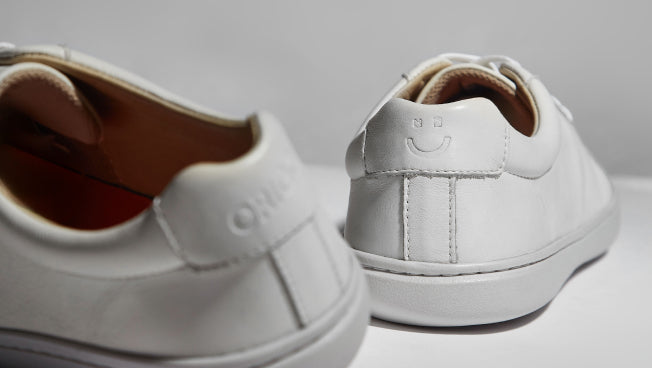

Foot weakness usually isn’t something you’re born with; it often develops over time. If you’ve spent years in stiff, cushioned shoes that do most of the work for you, your feet may feel tired quickly, struggle with balance, or ache after long days of standing and walking. Even short errands can leave you feeling like your feet are “done” before the rest of you is.
The good news is that your feet can get stronger again, and you don’t need complicated gadgets or hours of foot exercises to start making progress. By wearing barefoot shoes, foot strength develops naturally by giving your feet more room and freedom to move the way they’re designed to.
This guide breaks down how barefoot shoes strengthen your feet, what changes you may notice over time, and how to transition safely so your feet can adapt at a healthy pace.
Do Barefoot Shoes Strengthen Feet?
Yes, for many people, barefoot shoes can strengthen feet.
Foot strength improves when your feet are consistently asked to support your weight, maintain balance, and adjust to everyday movement. Barefoot shoes support this process by reducing the “built-in help” you get from conventional footwear, so your feet do more of the stabilizing on their own.
Instead of relying on arch supports, stiff soles, or bulky cushioning to manage every step, your feet begin doing that work again, little by little, throughout the day. For most people who move around regularly, that everyday activity is often enough to help the feet build strength over time, without requiring special workouts.
That’s why simply wearing barefoot shoes consistently can make such a difference: the progress is gradual, but it feels steady, natural, and functional rather than sudden or dramatic.
How Barefoot Shoes Build Strength Over Time
Barefoot shoes strengthen your feet in a simple way: they stop doing the work for you and let your feet take the lead again. Here’s what’s happening inside your foot with every step, starting with the muscles that handle movement, stability, and control.
Intrinsic Foot Muscle Activation
Your feet have two main groups of muscles:
- Extrinsic muscles, which come from the lower leg and help with bigger movements
- Intrinsic muscles, which live inside the foot and help with stability and control
In many conventional shoes, the sole and structure take over jobs your intrinsic muscles would normally do. Gradually, those muscles can become less active simply because they aren’t being used as much.
Barefoot shoes are different. With a flexible sole and less rigid support, these natural foot strengthening footwear keep your feet “switched on” during standing and walking. That consistent work helps strengthen the muscles that support balance, stability, and natural foot motion.
As a result, your intrinsic foot muscles stay active. That steady work helps build stronger stabilizers for standing, walking, and adjusting to different surfaces, without needing intense effort. Instead, when you wear barefoot shoes, foot muscles strengthen naturally over time as your feet get used to doing more of the job on their own.
Proprioception: Strength Starts in the Nervous System
Muscle strength isn’t just about how strong your feet are; it’s also about how well your body can use them. Your feet constantly send signals to your nervous system about pressure, position, and balance, and those signals help your muscles know when to engage and how much effort to use. When that feedback is muted, even strong muscles can feel slower or less coordinated.
Barefoot shoes typically let you feel the ground more clearly than thick, cushioned shoes, which helps your nervous system respond more accurately. When wearing barefoot shoes, muscle activation during movement can improve because your feet get clearer feedback. That extra sensory input helps your body react faster as you walk, shift your weight, or move across different surfaces.
This can lead to:
- Better timing and control of muscle activation as the foot contacts and leaves the ground
- Smoother balance adjustments during movement
- More stable walking, especially on uneven surfaces
Each step reinforces these neural pathways through repetition. The more often your feet get that kind of input, the more natural and automatic those responses become.
Arch Strength Through Dynamic Load Sharing
A strong arch isn’t something that stays rigid all the time. Your arch is meant to compress slightly, manage pressure, and spring back as you move.
When your foot hits the ground, your muscles and connective tissues work together to spread pressure evenly across the whole foot. Then, as you push off, that stored energy helps you move forward more efficiently.
Barefoot shoes support this natural cycle by letting your arch work the way it’s designed to through active engagement, instead of limiting motion with aggressive support.
Over time, that repeated motion helps build real arch strength through everyday use. The result is better endurance, more stability, and a foot that feels more capable during long periods of standing or walking.
By wearing barefoot shoes, arch strength develops steadily, and can help your feet feel more stable during:
- Long walks
- Standing for extended periods
- Everyday movement that usually leads to fatigue
Toe Splay, Forefoot Control, and Push-Off Strength
If your toes don’t have room to spread, your forefoot can’t work as efficiently. Many conventional shoes squeeze the front of the foot, which limits toe movement and can reduce stability.
Because they typically have a wider toe box, in barefoot shoes, your toes splay naturally, helping the front of your foot share the work during movement. Instead of pressure building up in one tight, overworked spot, your forefoot can distribute weight more evenly. This helps make each step feel more balanced and comfortable, especially when you push off the ground.
Barefoot shoes also allow active toe participation throughout the gait cycle. The big toe contributes to forward force and directional control, while the smaller toes assist with balance and lateral stability. This coordinated involvement increases muscular contribution during propulsion and improves how force transfers through the foot.
Over time, you may notice:
- Better balance when standing
- Improved stability during walking
- Less pressure concentrated on one spot in the forefoot
Gait Adaptation That Encourages Strength Gains
As feet assume more responsibility, gait patterns adapt automatically. Steps may become shorter as foot placement becomes more controlled and transitions through the stance smoother. These changes occur in response to increased sensory input and muscular demand, allowing movement to remain fluid and efficient without conscious correction.
Importantly, these adaptations are not about forcing a new walking style. They reflect the body’s natural response to footwear that encourages participation instead of protection. Because the foot remains involved throughout each phase of walking, adaptation occurs through repetition rather than intensity.
Strength develops gradually as tissues respond to consistent exposure, reinforcing efficient movement patterns that carry over into everyday activity and support long-term comfort during prolonged walking or standing.
How Long Does It Take to Build Foot Strength?
Foot strength builds best when you ease into it. Everyone adapts at a different pace, but most people notice changes gradually.
Progressive Adaptation and the Strength Timeline
At first, you may feel:
- Mild soreness in your arches or calves
- More awareness in your feet
- Fatigue after shorter periods of standing or walking
That’s usually a sign your feet are doing more work than they’re used to, not that something is wrong.
As your feet adjust, you’ll likely notice that standing and walking feel easier. Your endurance improves, the tired feeling shows up less often, and your steps start to feel more stable without you having to think about it.
With consistent wear over time, those small changes add up. Many people notice better balance, stronger support through the arch, and more comfort during long days on their feet.
Who Experiences the Most Noticeable Strength Gains
Individuals who wear barefoot shoes for weak feet can support foot strengthening and notice improvements earlier based on activity exposure and daily foot use. However, generally, these groups often feel changes sooner:
- People who stand or walk for long hours
- Walkers and runners who transition gradually
- Gym-goers using barefoot shoes during strength training
- Those with historically reduced foot engagement
- Anyone who has relied heavily on structured, supportive shoes
For these groups, barefoot shoes naturally increase the frequency with which your feet have to stabilize, adjust, and support your body throughout the day. Long hours of standing create constant small balance corrections, while walking and training put your feet through repeated cycles of pressure and release. If your feet have spent years relying on structured, supportive shoes, even a small increase in activity, such as foot strengthening while walking, can feel like a big change at first.
The key is consistency. Regular wear gives your feet more chances to stay active across different movements and surfaces, helping them build strength and coordination gradually.
How to Maximize Foot Strength While Wearing Barefoot Shoes
Foot strength develops best when you increase your wear time in a controlled, gradual way. Here are a few simple ways to make the transition smoother and help your feet build strength safely over time.
Tips for Transitioning Without Overdoing It
Barefoot shoes can be a big improvement for foot function, but switching too fast can leave you sore and uncomfortable.
A slow transition helps your feet adapt comfortably. To support that process:
- Start with short wear times (30-60 minutes a day)
- Increase wear time gradually to allow muscles and connective tissues to adjust to greater responsibility
- Rotate shoes at first so your feet get breaks
- Move across varied surfaces to introduce natural changes in load, balance, and coordination
- Pay attention to fatigue signals and allow recovery when muscles feel overworked
This gradual exposure allows muscles, connective tissues, and neural systems to adapt together, supporting long-term functional strength without forcing abrupt transitions.
If you have severe foot pain or it doesn’t improve, it’s worth checking with a podiatrist before increasing wear time.
Stronger Feet Start With Everyday Movement
Barefoot shoes won’t “fix” your feet overnight, but they can help your feet do what they’re meant to do.
By encouraging natural movement and keeping your foot muscles engaged, barefoot shoes support strength development without needing an intense routine or complicated equipment.
If you’re ready to build stronger, more capable feet through everyday wear, Origo’s offers a wide range of barefoot minimalist shoes for foot strength, designed to support natural movement with a comfortable fit, flexible feel, and timeless style.